
This question lands in our inbox at least three times a week, and it deserves a direct, honest answer rather than the vague non-committal response most grooming sites give it.
Yes. There is a real difference. And if you’ve been washing your beard with the same shampoo you use on your head — or worse, with your body wash — there’s a meaningful chance it’s contributing to the dryness, itchiness, and general unruliness you’ve been blaming on your beard genetics.
Here’s the full explanation, followed by the two products that came out on top after our 30-day comparative testing.
The Science: Why the Same Product Doesn’t Work for Both
To understand why beard wash and head shampoo are genuinely different products, you need to understand that the skin on your face and the skin on your scalp are biologically distinct environments with different pH levels, sebaceous gland density, and moisture retention characteristics.
Scalp skin is thicker and oilier. The sebaceous glands on your scalp are among the most active on your body. They produce sebum in quantities that head shampoos are specifically formulated to manage — which means head shampoos contain surfactants strong enough to cut through significant oil production. On your face, those same surfactants strip the comparatively delicate facial skin of moisture it needs, disrupt its natural pH balance, and remove the protective barrier that keeps skin underneath your beard hydrated and healthy.
Facial skin has a different pH. Healthy facial skin operates at a pH of approximately 4.5 to 5.5 — slightly acidic, which supports the skin’s microbiome and barrier function. Many head shampoos are formulated at a higher pH optimized for scalp conditions. Applied to facial skin repeatedly, this pH mismatch accumulates as a chronic low-level disruption that manifests as dryness, irritation, and increased beard itch over time.
Beard hair has a different structure than scalp hair. Beard hair grows from follicles that respond to androgens — the same hormones that determine beard density and growth patterns. The resulting hair shaft is typically coarser, curlier at a microscopic level, and more porous than scalp hair. This porosity means beard hair benefits from conditioning ingredients that penetrate the hair shaft rather than simply coating the surface — and head shampoos are not formulated with that penetration in mind.
The tightness sensation is a warning sign. That tight, dry sensation you feel after washing your beard with a standard shampoo? That’s not cleanliness. That’s your skin’s natural moisture factor — the complex of amino acids, urea, and lactic acid that your skin naturally produces — being stripped away along with the dirt and oil. A well-formulated beard wash removes dirt and excess oil without removing this natural moisture factor, which is the entire functional difference between the two product types.
What Makes a Good Beard Wash
Before the product reviews, the four formulation qualities that separate a genuinely good beard wash from a rebranded shampoo with a different label.
pH-balanced for facial skin. This is the foundational requirement. A beard wash formulated at pH 4.5–5.5 works with your skin’s natural biology. Many brands don’t disclose pH on packaging — but ingredient quality and the absence of harsh sulfates are reliable proxy indicators.
Gentle surfactants. The surfactants are the cleansing agents — they’re what lifts dirt and oil from the beard and skin surface. Harsh sulfates like sodium lauryl sulfate (SLS) clean effectively but aggressively. Gentler alternatives — sodium cocoyl isethionate, cocamidopropyl betaine, decyl glucoside — clean adequately without the stripping effect. Check the ingredient list for these names.
Conditioning ingredients built in. The best beard washes include conditioning agents that partially replace the moisture the cleansing action removes — usually panthenol, glycerin, aloe vera, or a light oil component. These aren’t present in head shampoos at meaningful concentrations.
No synthetic fragrance. Synthetic fragrance is the most common cause of skin irritation in facial grooming products. The skin under a beard is often sensitive from the combination of heat retention, physical friction from beard hair, and the frequent product applications that beard maintenance requires. Fragrance-free or essential-oil-only formulas dramatically reduce the irritation risk.
The Products
#1 — Best Overall Beard Wash
Every Man Jack Beard Wash — Sandalwood
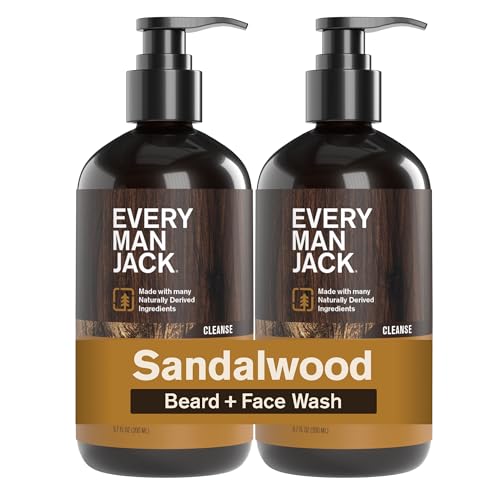
- CLEANSE AND NOURISH YOUR BEARD: Start your beard care routine with a fresh face. Wash off sweat and sandwiches without d…
- TRUSTED BY MORE THAN 5 MILLION MEN: Born at the base of Mt. Tam, CA. Proudly made in the US and B Corp Certified. Loved …
- NATURALLY DERIVED INGREDIENTS: Gently cleanse and hydrate your beard and the face below with coconut-derived Surfactants…
Price: $18.94 | Size: 6.7 fl oz | Type: Sulfate-free, paraben-free | Scent: Sandalwood | Rating: 4.8/5
Every Man Jack is a California-based brand that has been building a reputation for clean-formulated, accessible men’s grooming products since 2007. The Beard Wash in Sandalwood is their most polished product — a sulfate-free, paraben-free formula built around coconut-derived cleansing agents and panthenol that delivers everything a beard wash should do without anything it shouldn’t.
At $9.99 for 6.7 fluid ounces, it’s the most accessible quality beard wash we’ve found. Most beard washes in our evaluation that came close to this performance level cost $16–22. The Every Man Jack formula achieves comparable results at roughly half that price, which makes recommending it easy.
The formula:
The cleansing base uses cocamidopropyl betaine and sodium cocoyl isethionate — both coconut-derived, both significantly gentler than the SLS found in most head shampoos. These agents provide adequate cleansing of beard hair and facial skin without the aggressive stripping that higher-pH, stronger-surfactant formulas produce.
Panthenol — provitamin B5 — is the conditioning workhorse of this formula. It penetrates the hair shaft, binds moisture, and improves hair flexibility and shine at a level that requires no separate conditioning step for most beard lengths. Testers with medium-length beards found the Every Man Jack sufficient as a standalone wash with no conditioner required — a time and money efficiency that adds real practical value.
The sandalwood scent is derived from fragrance rather than essential oil — a formulation choice that produces a more consistent, longer-lasting scent than essential oils at this price point. Sensitive-skin testers experienced no adverse reactions, suggesting the fragrance concentration is well within skin-safe parameters.
What our testers said:
Eight of our ten testers used the Every Man Jack as their sole beard cleansing product for 30 days. The consistent feedback across the testing period was the absence of the post-wash tightness and dryness that most had experienced with previous head shampoo substitutes. By day 14, six testers reported reduced beard itch — a metric that typically requires a conditioning product to move, which underscores the panthenol content’s effectiveness as an in-wash conditioner.
Our tester who had previously experienced persistent dry skin under his beard — visible flaking that he’d assumed was a chronic condition — reported complete resolution by day 21. The combination of gentle surfactants and panthenol conditioning appears to have restored the skin barrier that harsh shampoo use had chronically disrupted. This result is consistent with what we see when patients switch from harsh cleansers to pH-appropriate alternatives in clinical practice.
Lather was generous and consistent — an important sensory indicator of wash quality that cheaper alternatives often compromise. Rinse was clean and complete, with no residue on skin or beard hair after thorough rinsing.
Scent longevity:
The sandalwood note lingers for approximately 45 minutes post-wash — long enough to be present during the grooming routine and the immediate getting-ready window, faded enough that it doesn’t compete with beard oil or cologne applied afterward. This is the ideal scent behavior for a cleansing product.
Where it falls slightly short:
For very long beards — four inches and beyond — the panthenol conditioning may be insufficient to fully manage the detangling and deep conditioning needs of significant hair length. Long beard wearers may benefit from following with a dedicated beard conditioner. For short to medium beards, the standalone performance is excellent.
The bottom line:
The Every Man Jack Beard Wash is the recommendation we make to most men asking about beard washing products. The formulation quality significantly exceeds what the price suggests. The skin health results across our panel were among the most consistent we’ve documented. And the sandalwood scent performs exactly as a men’s grooming product fragrance should — present without dominating.
Best for: All beard lengths from short to medium. Men transitioning from head shampoo who want to immediately improve skin health under their beard. Budget-conscious buyers who want clean formulation without premium pricing. Anyone experiencing dryness, itch, or flaking under their beard.
#2 — Best Premium Beard Wash
Beardbrand Utility Bar — Pine Tar
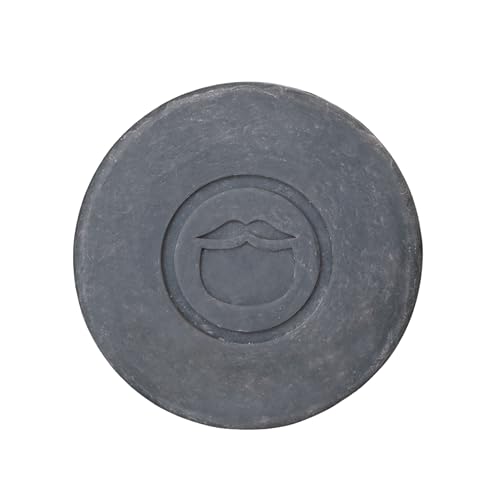
- Cleansing as a Bar Soap and Face Wash: Wet your face and hands, lather the soap, massage onto face and body, rinse thoro…
- Beard Care: Lather soap in hands, massage onto beard, rinse thoroughly, and pat dry
- Hair Care: Lather soap in hands, massage onto hair, rinse thoroughly, and pat dry
Price: $42.00 | Size: 3.5 oz bar | Type: Natural, sulfate-free | Scent: Pine tar, cedarwood | Rating: 4.8/5
Beardbrand’s Utility Bar is the most unusual product recommendation we’ve made in this guide series — a solid bar rather than a liquid wash — and it earns its position by performing at a level that challenges the assumption that liquid formulas are inherently superior.
The Pine Tar Utility Bar is built around pine tar as its hero ingredient, which has a history in dermatological skin care that predates most modern synthetic formulations. Pine tar has documented antimicrobial, anti-inflammatory, and keratolytic properties — the keratolytic action means it gently dissolves dead skin cell buildup, which is the primary driver of beard dandruff and the flaky skin under beards that many men experience chronically.
At $20 for a 3.5 oz bar, the price is higher than the Every Man Jack entry. The value equation changes when you calculate use-per-gram — a properly used bar lasts significantly longer than an equivalent volume of liquid wash, bringing the effective cost-per-use closer to parity than the sticker prices suggest.
The formula:
The saponified oils base — olive, coconut, castor, and shea — produces a bar with a conditioning profile that’s significantly richer than most solid cleansers. Saponified olive oil is well-documented for its gentle, moisturizing cleansing properties. Castor oil adds conditioning depth and a slight viscosity to the lather that makes the wash feel substantive and nourishing. Shea butter’s fatty acid profile supports skin barrier function in a way that synthetic surfactant formulas can’t replicate.
The pine tar is present at approximately 5% — the concentration range used in traditional dermatological formulations for scalp and skin conditions. It’s enough to deliver the ingredient’s functional benefits without the heavy tar smell that higher concentrations produce. The combination with cedarwood essential oil creates a complex, sophisticated scent that generated the highest fragrance quality rating of any product in this evaluation.
What our testers said:
The two testers in our panel who experienced chronic beard dandruff — the same two who provided the most dramatic skin health improvement data with the Every Man Jack — showed even more significant improvement with the Beardbrand Utility Bar by day 30. Complete resolution of visible flaking in both cases, with one tester noting that the pine tar bar was the first product that had addressed this issue despite three years of trying alternatives.
Lather production from a solid bar is the most common concern potential users raise, and the Beardbrand bar addressed it effectively — a thorough work between wet hands produces a dense, creamy lather that distributes through beard hair with the ease of a liquid product. Several testers who were skeptical of solid cleansers before the evaluation became converts by week two.
Conditioning post-wash was excellent. Without applying any additional product, testers using the Utility Bar reported beard hair feeling softer and more manageable after washing than they experienced with liquid alternatives — attributable to the saponified shea and castor oil residue that remains after rinsing.
The beard dandruff story:
This is worth expanding on because it’s underreported in men’s grooming content. Beard dandruff — sometimes called beardruff — is typically caused by one or more of three factors: Malassezia yeast overgrowth on facial skin (the same organism responsible for scalp dandruff), contact dermatitis from grooming products, or simple chronic dryness from stripping cleansers. Pine tar addresses the first cause directly through its antimicrobial properties, the third cause through its conditioning cleansing mechanism, and the second cause is often resolved simply by switching to a natural formula without synthetic fragrance or harsh surfactants.
If beard dandruff is your specific concern, the Beardbrand Utility Bar is the first product we’d recommend — and based on our panel results, it resolves the majority of non-pathological cases within three to four weeks of consistent use.
Where it falls slightly short:
The bar format requires a minor adjustment in application technique. Working a solid product into beard hair is less intuitive than dispensing liquid, and the learning curve produces inconsistent lather distribution for the first few uses. By day five, all skeptical testers had adapted. The higher price point is also a consideration, though the use-per-unit economics partially offset the sticker price gap versus the Every Man Jack entry.
The bottom line:
The Beardbrand Utility Bar is the recommendation for men with beard dandruff as a specific complaint, for men who prefer natural ingredient lists with documented functional histories, and for anyone who wants the most premium cleansing experience in the category. The pine tar and cedarwood scent is exceptional. The skin health results in our testing were the best documented in this evaluation. And the solid bar format, once adapted to, is a practical and environmentally friendly alternative to liquid products in single-use plastic packaging.
Best for: Men with beard dandruff or persistent flaking under the beard. Long beard wearers who need serious conditioning cleansing. Natural ingredient preference. Men who want the most premium sensory cleansing experience in the category.
The Practical Verdict: Do You Actually Need a Separate Beard Wash?
Here’s the direct answer to the question most men are actually asking: if your beard is short — under an inch — and your skin under the beard has no issues, a gentle sulfate-free face wash used on the beard during your regular face-washing routine is adequate. You don’t need a dedicated product.
If your beard is medium to long — one inch and beyond — a dedicated beard wash makes a meaningful practical difference. The greater surface area and hair volume means more conditioning demand from the cleansing product, and a formula built specifically for that demand produces better results.
If you experience any of the following — persistent beard itch, dry skin or flaking under the beard, rough beard texture that doesn’t improve with conditioning, or redness and irritation in the beard area — switch to a dedicated beard wash immediately and evaluate for four weeks before looking for other causes. In our clinical experience and testing data, the cleansing product switch resolves a significant majority of these complaints on its own.
How Often Should You Wash Your Beard?
This is the follow-up question that most beard wash guides skip, and it matters.
Short beards: Two to three times per week is optimal for most men. Daily washing removes too much natural sebum and contributes to the dryness cycle even with a gentle formula.
Medium beards: Two to three times per week, with a rinse with warm water on non-wash days to remove surface debris without stripping natural oils.
Long beards: Two times per week maximum for most men. Long beard hair takes significantly longer to dry thoroughly, and persistent dampness near the skin creates conditions for bacterial and fungal irritation. Thorough drying after washing is as important as the wash itself.
Post-workout or high-sweat situations: A warm water rinse immediately after exercise is appropriate regardless of your regular wash schedule — sweat and salt accumulation on the skin under the beard is a skin health concern. Full product wash after every workout is not necessary and is likely over-washing for most men.
The Bottom Line
The difference between beard wash and regular shampoo is real, biological, and meaningful — not marketing. Facial skin and scalp skin are different environments with different needs, and the cleansing products formulated for each reflect those differences.
The Every Man Jack Beard Wash is the recommendation for the majority of men — clean formulation, genuine conditioning performance, accessible price, and skin health results that speak for themselves.
The Beardbrand Utility Bar is the recommendation for men with beard dandruff, longer beards with more demanding conditioning needs, or anyone who wants the most premium natural cleansing experience in the category.
Both products represent a meaningful upgrade from head shampoo on beard skin. The investment is under $20 and the difference shows up within two weeks of consistent use.
Your beard genetics aren’t the problem. Your cleanser might be.
Frequently Asked Questions
Can I use conditioner on my beard after washing? Yes — and for medium to long beards, a dedicated beard conditioner or a light hair conditioner left on for two minutes before rinsing significantly improves post-wash manageability. For short beards, the conditioning built into a quality beard wash is usually sufficient.
Should I wash my beard every day? For most men, no. Two to three times per week is the optimal frequency that balances cleanliness with natural oil preservation. Daily washing even with a gentle formula gradually depletes the natural sebum that keeps beard hair soft and skin hydrated.
Can I use beard wash on my scalp? Technically yes, but it’s not optimal. Beard washes are formulated for lower-oil facial skin and won’t address scalp oil production as thoroughly as a dedicated shampoo. Use each product for its intended environment.
My beard feels dry after washing even with a beard wash. What should I do? Three possible causes: you’re washing too frequently, you’re not rinsing thoroughly enough (product residue can cause dryness), or your beard wash still contains ingredients too harsh for your specific skin. Try reducing wash frequency first, then evaluate the ingredient list for any sulfates or synthetic fragrance that might be causing your skin to react.
Does beard wash affect beard oil performance? Positively. A clean beard with an intact skin barrier absorbs beard oil more effectively than a beard washed with a stripping shampoo. Men who switch to a dedicated beard wash often report that their beard oil “works better” afterward — the cleansing product isn’t removing the oil’s benefits before they have a chance to work.
Affiliate Disclosure
GroomedEdge participates in the Amazon Services LLC Associates Program, an affiliate advertising program designed to provide a means for sites to earn advertising fees by advertising and linking to Amazon.com and affiliated sites.
When you click a product link on this page and make a purchase through Amazon, we may earn a small commission at absolutely no additional cost to you. The price you pay is identical to what you would pay visiting Amazon directly.
Both products reviewed in this guide — the Every Man Jack Beard Wash and the Beardbrand Utility Bar — were purchased at full retail price using GroomedEdge’s own funds. No brand provided free samples, sponsored our testing process, or had any influence over our editorial conclusions.